
Summary
Wandering behavior in a parent with dementia can stem from confusion, unmet needs, or memory loss rather than simple restlessness. Understanding what triggers this behavior—and recognizing how Glendale's winters and environment add complexity—helps families respond thoughtfully and explore appropriate support options.
- Wandering often reflects a person living with dementia searching for something familiar, following old routines, or trying to communicate an unmet need like hunger or discomfort
- Nighttime wandering presents additional risks in Wisconsin winters, as darkness makes landmarks harder to recognize and cold temperatures increase dangers
- Home safety strategies include door alerts, motion-sensor lighting, keeping car keys out of sight, and establishing consistent evening routines to reduce confusion
- Memory loss affects multiple daily safety areas beyond wandering, including medication management, kitchen safety, and recognizing potential fraud
- Specialized memory care communities offer safety-enhanced environments, trained team members, and personalized routines designed to support residents living with dementia while reducing confusion
When a parent begins wandering, everyday routines can suddenly raise new safety questions. For families concerned about a parent with dementia and wandering safety, understanding what may be behind the behavior is an important first step. In Glendale, Wisconsin, cold winters, changing weather, and nearby roads can add to those concerns.
Wandering is not simply restlessness or forgetfulness. Memory loss can change how someone understands their surroundings, time, and purpose. A parent may be looking for something familiar, following an old routine or trying to meet a need they cannot easily express.
Why Wandering Behavior With Dementia Happens
Understanding wandering behavior with dementia can help families respond with patience and look for possible triggers. A parent might wake during the night believing it is time to go to work, for example, even if they have not worked in years.
Common triggers may include:
- Hunger, thirst or needing to use the bathroom
- Looking for a familiar person or place
- Confusion caused by shadows, reflections or unfamiliar surroundings
- Physical discomfort or overstimulation
- Seeing a doorway and feeling prompted to leave
Tracking when wandering occurs can also help families identify patterns and adjust routines or surroundings accordingly.
Why Dementia and Wandering at Night Can Be Concerning
Dementia and wandering at night can present additional challenges. Darkness may make familiar surroundings harder to recognize, while winter temperatures in Glendale can increase the consequences of leaving without proper clothing.
Nighttime wandering may also involve:
- Difficulty recognizing familiar landmarks after dark
- Confusion caused by shadows and changing light
- Trouble recognizing traffic or other environmental hazards
- Greater fall risks around steps, curbs or uneven surfaces
- Difficulty finding the way back or asking others for assistance
A consistent evening routine, comfortable surroundings, and appropriate lighting can help reduce confusion.
Creating a Safer Environment at Home
For families researching dementia wandering prevention, the goal is to reduce risks without making the environment feel restrictive. Strategies for keeping a person living with dementia from leaving the house may include door alerts, motion-sensor lighting, and other safety measures appropriate for the home.
Families can also reduce possible triggers by keeping items such as car keys out of sight and creating familiar routines during times when wandering typically occurs. Before changing locks or exits, check applicable fire and safety requirements.
Meaningful engagement can also help. If restlessness tends to occur at a predictable time, familiar music, conversation or another calming routine may provide reassurance and a sense of purpose.
Memory Loss Safety Concerns Beyond Wandering
Wandering is only one of several memory loss safety concerns families may notice. Changes in memory and judgment can affect everyday tasks, including:
- Using kitchen appliances safely
- Following medication schedules
- Maintaining personal hygiene
- Preparing and eating regular meals
- Recognizing potentially fraudulent calls or requests
When several concerns begin happening together, families may find that providing consistent supervision and support at home becomes increasingly difficult.
How Specialized Memory Care Can Support Safety
Memory care communities are designed around the needs of residents living with dementia. Safety-enhanced environments, familiar routines, and trained team members can help reduce confusion while giving residents opportunities for meaningful engagement.
At Discovery Commons North Shore, SHINE® Memory Care provides a science-based, personalized approach for residents living with dementia. The program is nationally recognized by the Alzheimer’s Association® and includes six foundational pillars focused on resident customization, dining, life engagement, family collaboration, specialized team training and environmental support.
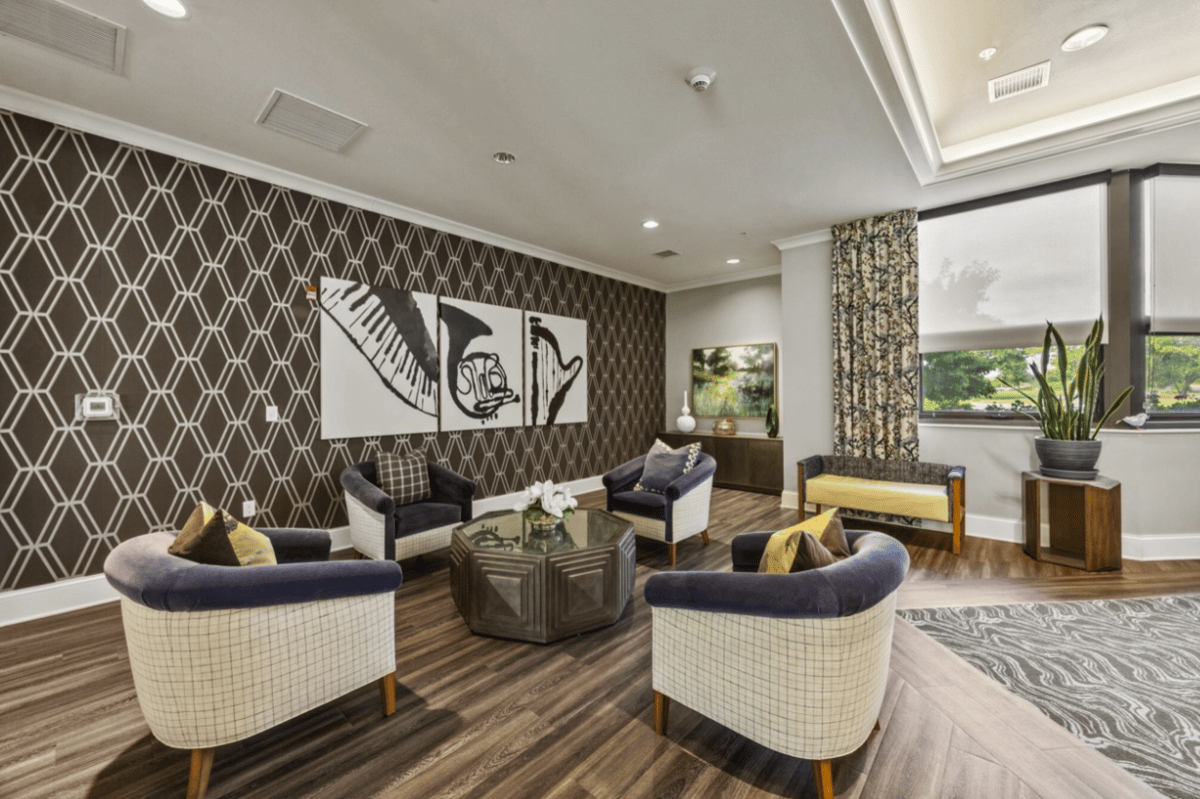
The environment uses defined spaces and sensory cues to create familiarity, while personalized programs reflect each resident’s history, preferences and routines. Residents can also enjoy comfortable common areas and outdoor spaces as part of the community’s home-like setting.
Finding the Right Support for Your Family
A close call doesn't have to be the only reason to explore additional support. Increasing nighttime wandering, frequent attempts to leave, disrupted sleep, or other growing safety concerns may signal that it's time to discuss options with your parent’s healthcare provider and learn what specialized memory care can provide.
When comparing communities, ask how team members respond to wandering, how the environment supports residents living with dementia, and how daily routines are personalized.
To see how Discovery Commons North Shore creates a comfortable, safety-enhanced environment for residents living with dementia, schedule a tour today.