
Choosing memory care in Glendale, WI, gives families clarity during one of life's most difficult transitions. Specialized support creates daily structure, reduces confusion, and protects emotional well-being as memory loss progresses.
An estimated 7.2 million Americans age 65 and older lived with Alzheimer's dementia in 2025, according to the Alzheimer's Association. Memory loss is a growing reality for families across the nation.
You may feel overwhelmed when memory slips begin to shape daily life. You want structure and warmth for your loved one; you also need clarity and support for yourself. Memory care creates routines that help seniors stay grounded and connected to the people they love.
What Makes Memory Care Different From Assisted Living?
Memory care focuses on cognitive support rather than general daily help. Trained staff follow structured routines that reduce confusion and anxiety for seniors facing memory loss. Secure layouts and predictable schedules help residents feel calm and oriented.
Assisted living works well for seniors who remain mostly independent. Memory loss care addresses changing behaviors, safety needs, and emotional shifts. Families often notice improved mood and engagement once specialized support replaces a less structured setting.
When Should a Family Consider Memory Care?
Memory care becomes appropriate when forgetfulness starts affecting safety or daily function. Missed medications, wandering, or rising agitation often signal the need for added structure. Early placement can reduce stress and prevent crises.
Families also benefit from making the move sooner rather than later. Dementia support for seniors works best when routines are introduced gradually. Loved ones often adapt more smoothly when care begins before symptoms become severe.
Safety and Structure That Reduce Daily Stress
Memory care environments focus on predictable routines that help you feel grounded. Clear layouts, consistent schedules, and trained staff reduce anxiety linked to memory loss. Days feel calmer when familiar patterns guide each activity.
Safety remains central to daily care. Secure design supports independence while reducing risks tied to wandering or confusion. Care teams monitor changes closely and adapt support as needs shift.
Daily structure includes:
- Secured entrances
- Visual cues
- Guided routines
- Calm transitions
Personalized Care That Honors Identity
Memory care works best when routines reflect personal history and preferences. Care plans adjust to changing needs while preserving familiar habits and interests. Daily moments feel more meaningful when identity stays at the center of support.
Individual attention improves emotional balance and trust. Personal history shapes daily care in settings focused on memory loss care rather than task completion. Families often notice stronger engagement and calmer behavior.
Personalized support includes:
- Familiar routines
- Preferred activities
- Gentle reminders
- Consistent caregivers
Specialized Support for Cognitive Changes
Cognitive decline brings shifts in mood, behavior, and communication. Trained teams understand how dementia affects thinking and emotional response. Care feels calmer when staff respond with patience and proven techniques.
Alzheimer's care in Glendale, WI, focuses on reducing frustration while encouraging confidence. Trained guidance lowers daily anxiety and helps seniors stay connected to their surroundings. Emotional safety supports better days.
Specialized care focuses on:
- Cognitive cues
- Behavior guidance
- Emotional reassurance
- Routine reinforcement
Family Involvement That Strengthens Trust
Families remain a vital part of daily life in memory care. Open communication keeps you informed and involved in decisions. Shared understanding builds confidence during a difficult transition.
Family involvement in care supports stronger emotional bonds. Partnership improves long-term outcomes when loved ones and caregivers work together. Regular updates help reduce worry and uncertainty.
Family connection includes:
- Care updates
- Shared planning
- Visitation support
- Ongoing dialogue
Purposeful Activities That Encourage Connection
Structured activities support emotional health and cognitive engagement. Programs focus on familiar tasks that feel achievable and rewarding. Participation helps reduce isolation and restlessness.
SHINE® Memory Care emphasizes purposeful moments rather than busy schedules. Meaningful activity sustains connection and supports dignity through each stage of memory change. Small successes build confidence.
Daily engagement includes:
- Music sessions
- Gentle movement
- Creative expression
- Guided social time
Frequently Asked Questions
How Is Memory Care Different From Other Senior Care Options?
Memory care focuses on cognitive support rather than general assistance. Care teams receive specialized training to respond to memory loss, confusion, and behavior changes. Structured routines help reduce anxiety and improve daily comfort.
Traditional senior care settings may lack the safeguards and routines needed for dementia. Memory-focused environments offer secure layouts and consistent schedules. Support adapts as cognitive needs change over time.
What Types of Conditions Does Memory Care Support?
Memory care supports Alzheimer's disease and other forms of dementia. Programs also address mild cognitive impairment when symptoms begin affecting safety or routine. Care adjusts as memory loss progresses.
Staff understand emotional and behavioral shifts linked to cognitive decline. Dementia support for seniors includes guidance, reassurance, and personalized engagement. Emotional well-being receives as much attention as physical health.
How Do Families Stay Involved After a Loved One Moves In?
Families remain active partners in the care journey. Care teams provide regular updates and welcome input on preferences and routines. Communication builds trust and reduces uncertainty.
Family involvement in care strengthens emotional connections. Visits, shared activities, and care planning help maintain strong relationships. Loved ones continue to feel supported rather than sidelined.
How Does Memory Care Support Emotional Well-being?
Emotional health stays central to daily care. Familiar routines and calm responses help reduce frustration and fear. Staff focus on reassurance rather than correction.
Memory loss care encourages dignity through respectful interaction. Purposeful engagement supports confidence and connection. Emotional stability often improves once consistent support replaces guesswork.
When Is the Right Time to Consider Memory Care?
Timing depends on safety, stress levels, and daily function. Warning signs include wandering, missed medications, or rising agitation. Earlier transitions often lead to smoother adjustment.
Why Memory Care in Glendale, WI Supports Families Long Term
Choosing memory care in Glendale, WI, provides structure, safety, and emotional reassurance as memory loss progresses. Specialized support helps seniors maintain dignity while reducing daily stress for families.
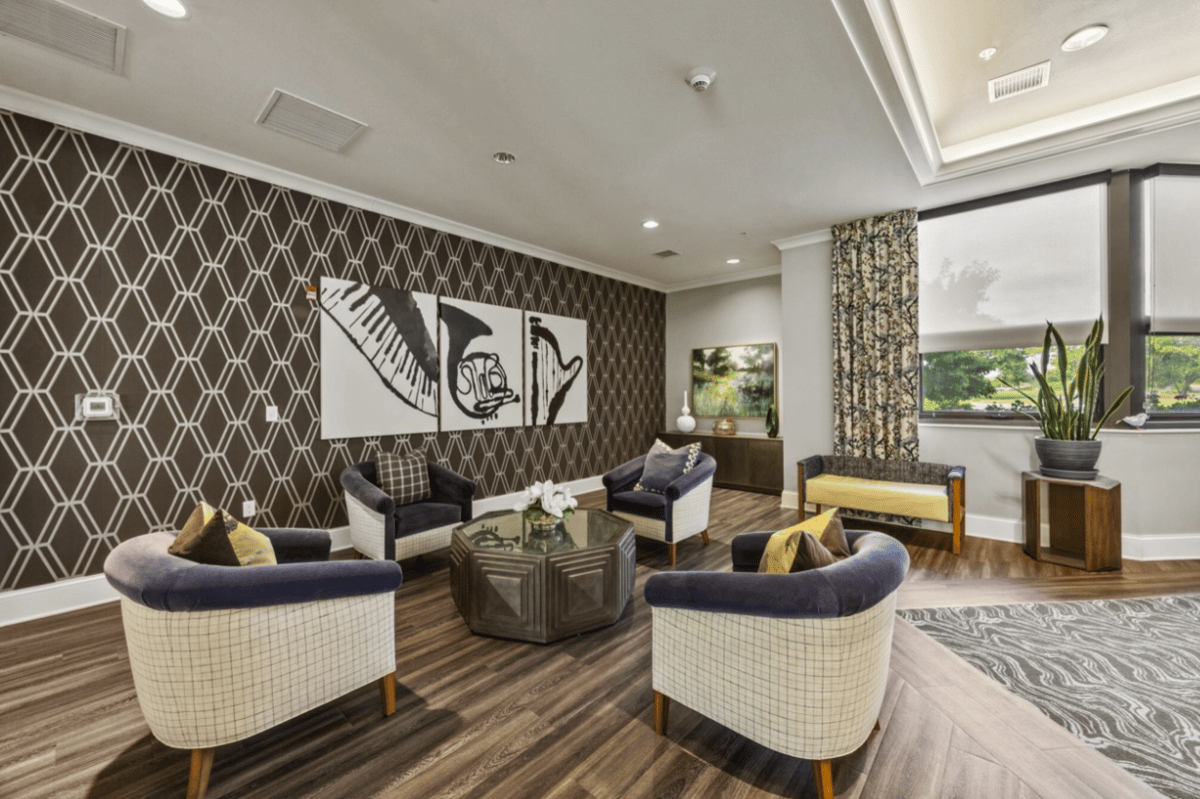
Discovery Commons North Shore blends thoughtful design with the SHINE® Memory Care program, where each day reflects a resident's life story, abilities, and sense of purpose. Care teams focus on connection, familiarity, and moments that still feel like home, creating calm where uncertainty once lived. Explore Discovery Commons North Shore and see how memory care can feel personal, steady, and deeply human.