
Thoughtful dementia care plans help seniors live with comfort, purpose, and confidence as memory changes occur. Personalized routines and compassionate support uphold dignity while giving families peace of mind. At Discovery Commons North Shore in Glendale, Wisconsin, empathy and expertise come together to create stability and joy each day.
More than six million Americans live with Alzheimer's disease, and many Wisconsin families share this experience. Life with memory loss can feel uncertain, but the right care plan restores structure and meaning. Consistency, understanding, and personal attention make every resident feel valued and safe.
When care is built around who a person is, not what they've lost, it transforms daily life. Keep reading to discover how personalized strategies promote cognitive wellness, protect dignity, and build connections within a compassionate community.
How Do Personalized Dementia Care Plans Support Daily Routines and Cognitive Wellness?
Personalized care plans bring comfort and calm to daily life. Familiar routines, meaningful activities, and predictable environments reduce anxiety and strengthen confidence. Each day becomes easier to navigate because it follows patterns that feel natural to the resident.
These plans begin by understanding each person's history, habits, and preferences. If someone enjoys morning walks or music, those moments become part of their routine, linking the present to comforting memories.
Understanding the Individual's Life History and Preferences
Learning about a resident's background helps caregivers create comfort through small but powerful details. Favorite songs, foods, and hobbies all serve as emotional anchors.
Building a Consistent Daily Rhythm
Predictability allows seniors to feel secure. Knowing what comes next reduces restlessness and gives each day a sense of calm purpose.
Incorporating Cognitive Wellness Activities
Cognitive wellness can be supported through puzzles, art, or conversation-based games that stimulate thinking and spark joy. These activities help preserve function and encourage creativity in a relaxed, familiar setting.
Personalized dementia care works best when families, caregivers, and residents collaborate. Shared knowledge and open communication ensure that each plan grows with the person's needs.
What Key Components Should Be Included in a Memory Care Support Plan for Alzheimer's and Related Conditions?
A strong memory care support plan balances structure, safety, and stimulation. It nurtures emotional health while maintaining physical comfort. Each part of the plan plays a role in keeping life predictable yet engaging.
Below are the essential components of an effective plan:
- Personal life history and preferences
- Safe, homelike environment adapted for cognitive needs
- Daily structured routines and meaningful activities
- Cognitive wellness programming designed for memory support
- Regular review and adaptation as needs evolve
These elements work together to create stability and reassurance. Alzheimer's routines, for example, rely on repetition and gentle cues to help residents feel confident.
For families seeking compassionate memory care in Wisconsin, understanding these principles helps them choose communities that deliver personalized, adaptable support for long-term well-being.
How Can Compassionate Memory Care Services Uphold Dignity and Quality of Life for Seniors With Dementia?
Dignity is at the heart of compassionate memory care. It means recognizing that every resident has a story, personality, and legacy worth honoring.
Caregivers who treat residents with respect and patience create moments of connection that matter. Helping someone choose their outfit, involving them in a familiar task, or simply sharing a conversation all reinforce self-worth.
Respecting Past Roles and Preferences
Remembering a resident's former profession or passions allows staff to bring those experiences into daily activities. This respect builds trust and keeps identity intact.
Enabling Engagement Through Connection
Social opportunities, music sessions, and visits from family members nurture belonging. Even brief interactions can brighten a day and provide comfort.
Fostering a Culture of Dignity
Every team member contributes to dignity. From housekeeping to dining, every action is done with kindness and purpose, reminding residents that they are valued and loved.
How Are These Principles Brought to Life in a Community Setting?
At Discovery Commons North Shore, personalized dementia care plans guide everyday life. Caregivers, families, and residents work together to build routines that feel familiar and comforting.
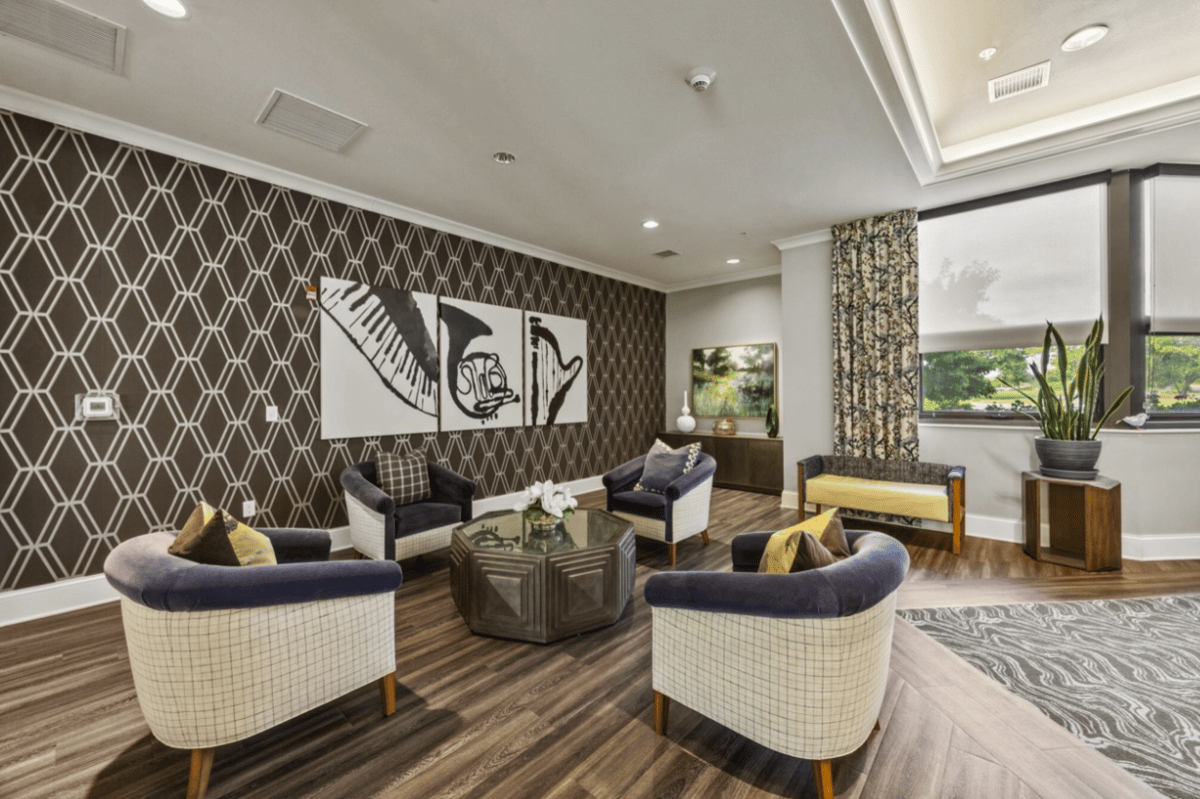
The community's secure design helps residents feel safe and at ease. Bright common areas invite conversation, while art, music, and sensory activities bring joy and support memory. Caregivers pay attention to the small things, favorite foods, hobbies, or songs, that make each day special.
Families stay involved through visits and updates, helping the care team adjust plans as needs change. This teamwork ensures every resident is treated with dignity, compassion, and a sense of home.
Here are a few common questions families often ask when exploring memory care options.
Frequently Asked Questions
What Is the Difference Between Dementia Care and Alzheimer's Care?
Dementia is a general term for conditions that affect memory and thinking, while Alzheimer's disease is the most common type. Alzheimer's care focuses on managing symptoms specific to that condition, while dementia care may include a broader range of needs.
How Often Should a Memory Care Support Plan Be Reviewed or Adapted?
A care plan should be reviewed at least twice a year, or whenever a resident's needs change. Regular updates ensure care remains responsive, respectful, and effective for each stage of memory loss.
Can Cognitive Wellness Activities Help Slow Dementia Progression?
While they cannot stop dementia, engaging in activities can support brain function and slow cognitive decline. Puzzles, music, and art therapy encourage focus and lift mood, helping residents stay engaged.
How Do Families Stay Involved After a Loved One Moves Into Memory Care?
Families can attend care meetings, visit frequently, and share stories or preferences to guide daily routines. Open communication strengthens trust and ensures care remains personal.
What Qualities Define Compassionate Memory Care in Wisconsin?
Look for communities that combine skilled staff, structured routines, and genuine empathy. A calm environment, meaningful engagement, and attentive communication are signs of compassionate support.
Dementia Care Plans That Support Daily Life and Dignity
Thoughtfully designed dementia care plans help seniors enjoy structure, comfort, and connection every day. Personalized routines, social engagement, and attentive care uphold dignity while strengthening memory and confidence.
At Discovery Commons North Shore, residents receive scientifically designed, fully personalized memory care plans that support daily life and dignity within an upscale, secure community overlooking the Milwaukee River Greenway.
Visit the Contact page to learn how Discovery Commons North Shore can help your loved one thrive through compassionate, individualized memory care.